

Stress does not just disappear; it builds up over time. Even small problems, like a slow internet connection, can become stressful.
Many people instinctively reach for their phone or turn on the TV. Still, these activities often do not provide the mental break we need to recover. Real relief often comes from doing hands-on activities.
A recent South West Londoner report shows a shift in interests; participation in painting and drawing increased by over 40% earlier this year. Interest in crafts such as textiles, ceramics, and woodwork also rose by about a third. This growth suggests that many people are finding creative activities helpful in dealing with the pressures in modern life.
Engaging in physical hobbies can clear your mind in ways that passive activities can’t. These hobbies help shift your focus from anxiety to the present moment, which can reset your nervous system. This reset is important for long-term health.
At Sam Garton, we help you feel more balanced and in control through simple, natural approaches to wellbeing. In this article, we examine the science behind hands-on hobbies, how to choose one that fits your lifestyle, and how to create an environment that supports your well-being.
What Happens When You Work With Your Hands
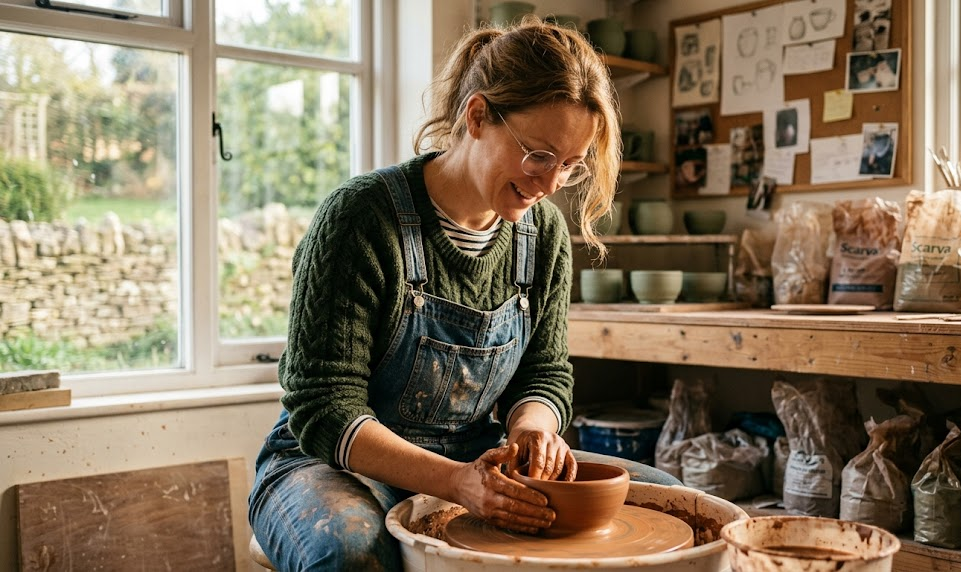
The brain reacts positively to hands-on, repetitive tasks. Activities like pottery, knitting, woodworking, and gardening release dopamine, which is linked to feelings of reward and happiness. This reaction, known as the making things effect, is a well-researched psychological phenomenon.
Working with your hands can also lead to a state called flow. Flow is when you:
- Focus deeply
- Lose self-consciousness
- Experience a sense that time is slowing down
It is a natural way to help reduce stress and anxiety.
Creative, manual tasks lower cortisol levels, a hormone related to chronic stress. Even short bursts of 20 to 30 minutes can make a difference.
According to the Crafts Council, about 8.8 million people in Britain use arts and crafts to boost their mental health. More than half of these people say it makes them feel happy. Many people participate in creative activities, showing that they are a great way to take care of ourselves.
The feeling of touching materials like soil, clay, wood, or wool stimulates your nervous system in ways that using screens cannot. Physical touch helps you feel grounded and signals safety to a brain that often defaults to worry.
Choosing the Right Hobby for Your Personality
Not every hobby is right for everyone. The best alternative is one that fits your natural personality. Here’s a simple guide to help you choose:
| Personality Type | Recommended Hobby | Why It Helps |
| Needs grounding and calm | Gardening | Connects you to natural rhythms and slows the mind |
| Needs control and precision | Woodworking or pottery | Provides clear structure and a tangible sense of achievement |
| Needs creative expression | Painting or textile arts | Encourages emotional release without pressure |
| Needs gentle movement | Bookbinding or jewellery making | Combines fine motor skills with meditative rhythm |
Start with what excites you. A hobby that feels thrilling and unfamiliar is often the best fit. Try it out for at least four weeks before deciding whether it works for you.
Why Your Hobby Needs Its Own Space
Having a dedicated hobby space does more than keep things organised. It creates a clear separation between your responsibilities and your relaxation time. When you enter a space meant only for your creative activities, your mind starts to connect it with rest and focus.
The team at Elfords has noted a significant increase in people seeking out high-quality timber workshops, “A rising number of customers are looking for a dedicated space outside of the main home where they can focus entirely on their hobbies without the distractions of daily life.”
Separating your hobby area from your living space also helps reduce the guilt many feel when trying to relax at home. If a room is used for both office and storage, it sends mixed messages. But a space devoted entirely to your creative practice sends a clear message: this time is yours.
Practical Steps to Prepare a New Hobby Space
Setting up your space well from the start helps you stay consistent. Here are three key steps to make a difference:
Step 1: Declutter the Area First
A messy space creates distractions that keep your brain alert. Eliminate anything that doesn’t belong there and start with a clean slate.
Step 2: Let in Natural Light
Natural light helps regulate your sleep and boosts your mood. Position your workbench or table near a window. If you have little natural light, use warm and full spectrum bulbs instead of harsh white ones.
For clearer guidance on how daylight affects focus, mood, and sleep quality, take a look at this practical guide to natural light and wellbeing.
Step 3: Choose a Calming Colour Palette
Colours such as soft greens, warm neutrals, and muted blues can help you relax and stay focused. Avoid bright or clashing colours in a space where you want to rest and be creative.
These small changes can greatly improve how your space feels and how often you want to use it.
Conclusion
Hands-on hobbies provide a crucial break from the stresses of daily life. These activities not only help reduce stress but also give you a sense of control and focus. They provide a sense of accomplishment that you cannot get from digital devices. Start choosing a small and interesting project and make it part of your weekly routine.
Focusing on these hands-on moments helps create a solid base for mental clarity and long-term resilience. By stepping away from screens and engaging in physical activities, you can better maintain balance in our increasingly digital world.If you would like support in finding the right approach for your wellbeing, contact us at Sam Garton, and we will be happy to help.

